

🧭 Module 1: Human Resources Policies
Corporate policies are guidelines, rules, or principles that help companies govern their actions. They regulate people's behavior within the organization, the way they work, compensation, and other key aspects of daily work.
For example: In a fast-food restaurant or cafe, we might find a dress code to make the staff easily recognizable. There might also be a customer service policy or an occupational risk policy.
We'll be able to find a policy for organizing work shifts, which will need to be as detailed as possible to specify whether a shift is full-time, part-time, or with the possibility of teleworking.
Typically, when we join a company, we'll likely be verbally informed of official policies (work hours, dress code, communication, etc.). If you want to, we can investigate whether there are records; if not, we can take the opportunity to document them. Alternatively, we might have the chance to initiate a new process from the beginning.
📌 What are policies for?
Policies are generally aligned with the company's business objectives. They establish clear guidelines, concrete rules, and a framework for action that helps the company operate in an orderly, equitable, and predictable manner.
As HR professionals, we might need to:
- Create new policies (most of the time in start-up companies).
- Update existing ones.
- Formalize practices that currently exist only verbally.
Here are some images with examples of policies*:
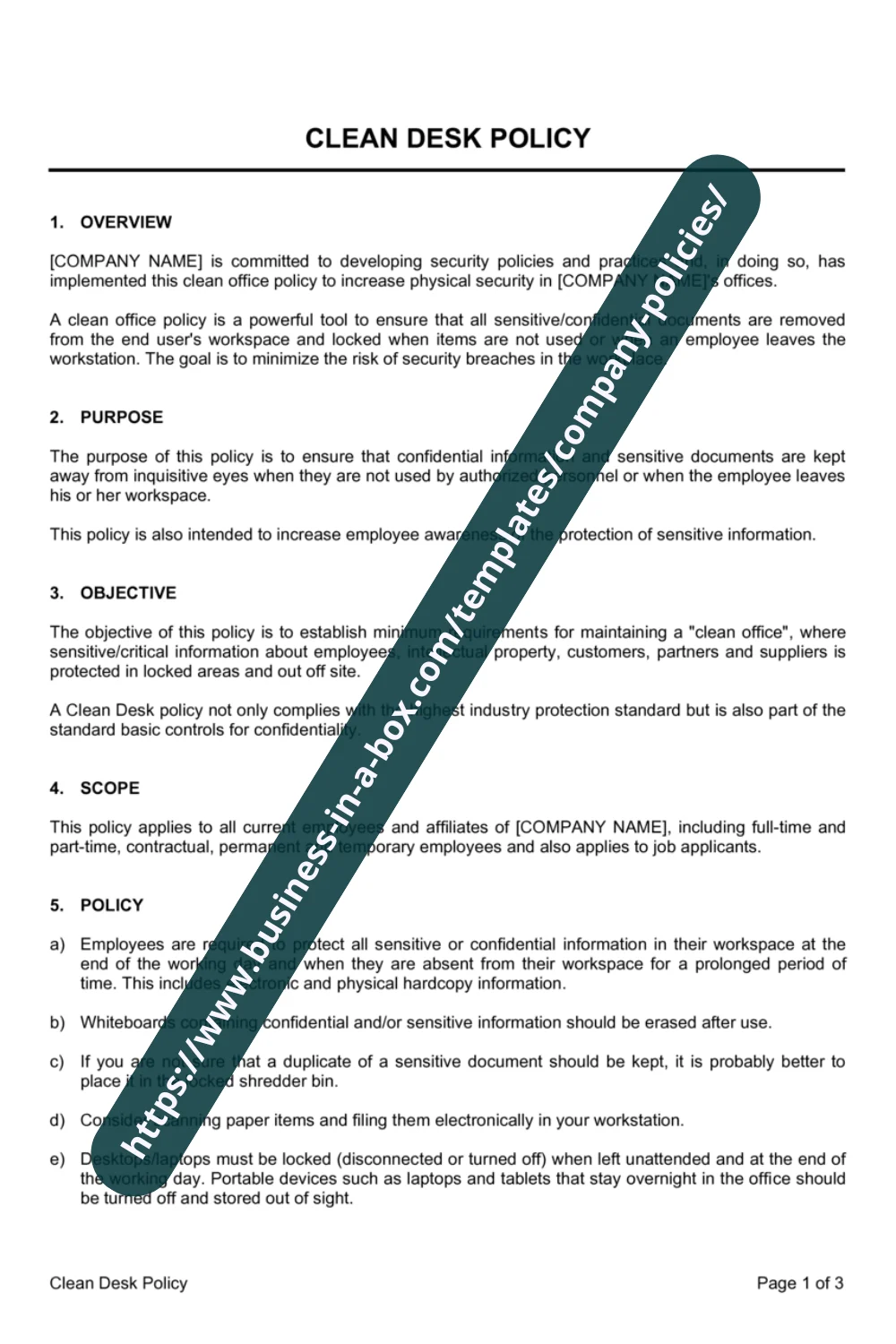
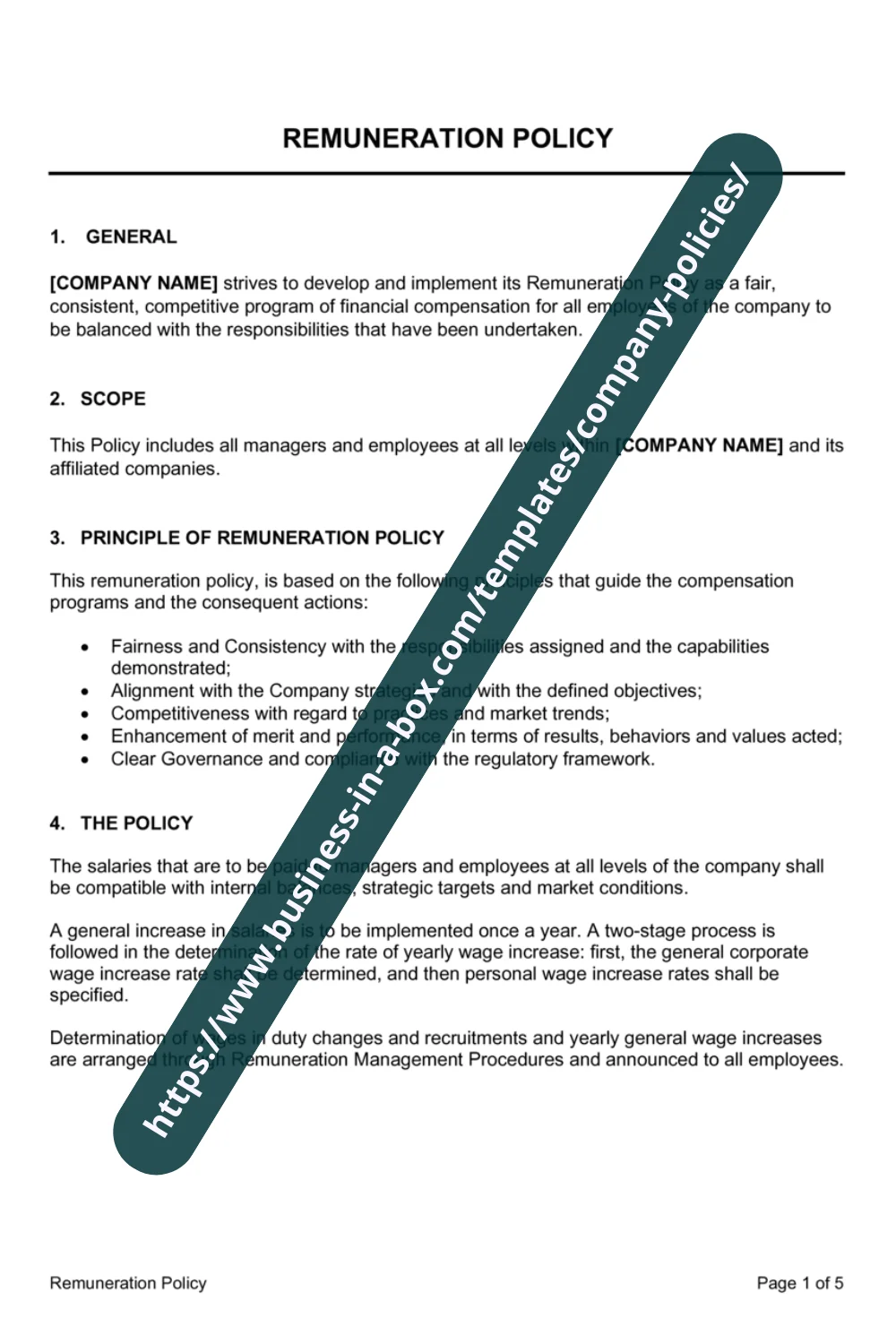
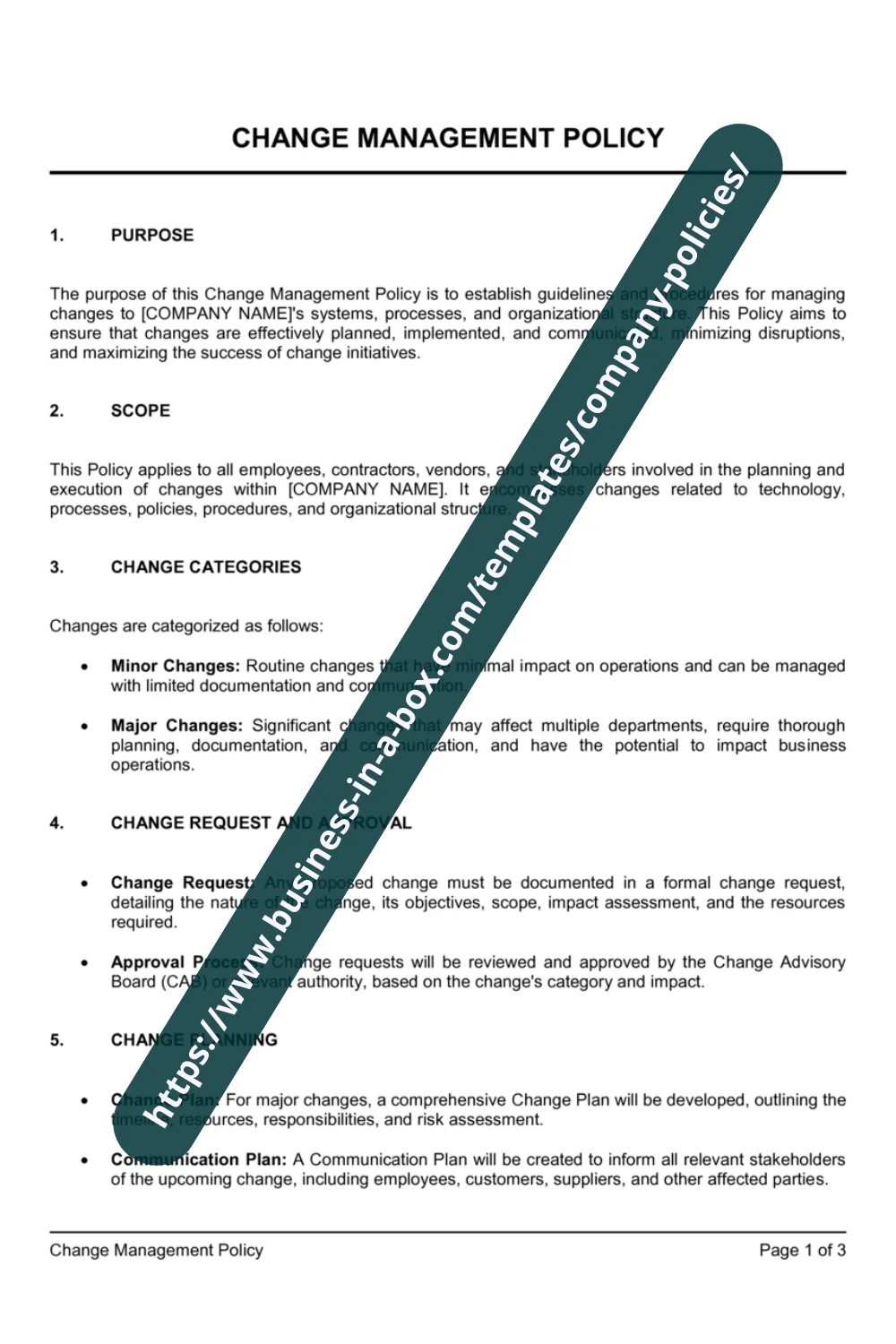
* They are owned by the website: https://www.business-in-a-box.com
📄 It's a good idea to keep a record of these policies. This record can include:
- Creation date.
- Department that is responsible (or if it’s general).
- Review frequency.
- Version number and update date.
- Person who approved the policy.
- Any attached documents or records.
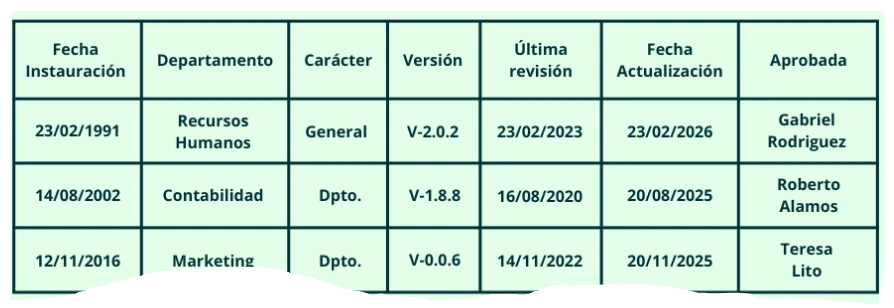
You should adjust the registration to your own needs. Not all items are mandatory.
🧩 Types of HR Policies
Let's look at some of the policies implemented in our Human Resources department. We can find the following:
-
🔍 Recruitment Policy => We define how a selection process begins, what steps we'll follow during hiring, and how we'll conduct onboarding. We can establish everything in a single policy or divide it into: selection and onboarding.
-
💰 Compensation and Benefits Policy => We establish salary scales, criteria for granting benefits with conditions based on seniority or position, and rules for raises or bonuses. It contributes to greater transparency and predictability in salary matters for all staff.
-
🏖️ Medical License and Vacation Policy => We determine how vacation time is requested and granted, what certificates are required for medical license (or whether we will conduct medical visits), and how absences are managed. The goal is to create clear and fair rules to treat everyone fairly.
-
📈 Performance Policy => Defines whether and how we will measure the performance of our staff, how often, and using which tools or by whom. This allows each person to understand how they will be evaluated.
-
🚪 Exit Policy => Regulates resignation, dismissal, or retirement processes. We can include recognition ceremonies for retirement retreats and the administrative steps we will need to follow. Our goal is for departure to be a positive experience for both parties.
-
⚠️ Sanctions Policy => We establish a general sanctions policy, or we can implement each policy with its own sanctions regime (for example, for leave). It is extremely important to establish steps to follow before dismissal.
🎯 Why is it important to create policies?
Because they provide transparency, fairness, and consistency. All employees know the rules and know they apply equally. Plus:
- They provide a framework for decision-making.
- They help align employees with company values and goals.
- They allow anticipating and resolving conflicts fairly.
✍️ Proposed Activity
👉 Exercise 1: Choose an area (e.g., leaves, dress code, compensation) and write a basic policy that could be applied in a small company.
👉 Exercise 2: Imagine a company has no formal policies. You are asked to propose a policy on medical leaves. What would you include? Think about requests, certificates, days, exceptions.