

📌 Module 4: Recruitment
Let's take a theoretical look at the "Recruitment or Personnel Selection" procedure. The module will focus on the steps we'll need to follow to carry out the recruitment process. But before we begin, we need to understand what it's all about. Let's get to it. 😉
Recruitment or selection of personnel is the process by which our company seeks to fill vacant positions in order to ensure its smooth operation. To achieve this, we have two possible paths:
- External recruitment: Through a job vacancy application, we will search the external labor market for the profile that best suits the vacant position.
- Internal recruitment: More simply, we will fill the vacant position by promoting staff who are already part of the company (ideal for the career planning process, we will see this later).
Both options aim to find the candidate profile that best fits the available position, both in terms of skills and adaptation to the organizational culture.
We add that not only must the candidate meet many of the job requirements, but during the interview process we will also seek to identify whether the candidates have a greater affinity with the company's culture. However, in some situations we may opt for a novel profile with the aim of changing the culture; this frequently occurs in leadership or management positions.
How does the selection process begin?
We'll focus on describing the selection process from a theoretical perspective, so we must note that recruitment methods may vary from company to company. However, our goal is to be able to understand and carry out the selection process as professionally as possible. Let's get started... 😊
1. Request from the department: If a department has a vacancy it needs to fill, it must submit a request to Human Resources (this can be done through a form or by email). Let's say the Administration department needs help. The director or manager of the department must officially request HR to begin the search process to fill the vacancy. We, as Human Resources, must verify the request that was sent to us.
2. Job Analysis: Once we've confirmed that we should begin the recruitment process, we need to identify the corresponding job description and check if it's up to date. We'll use it to prepare the job offer. Then, as an extra for our HR records, we can examine whether the position has a history of high turnover or if it's a new strategic need.
3. Recruitment plan definition::
Now that we have the job description, we will begin by organizing the selection process, taking into account the following points: 👇
- Internal or external?
- Will we manage it ourselves, or will we use an external party?
- Where will the vacancy be posted?
- How long will it be open?
- What type of interviews or assessments will we conduct?
If we choose to fill the vacancy with an internal candidate, we will simply access our career plans and find the candidate to fulfill the vacancy.
If our decision is to select an external candidate, then yes, we will need to define how we will proceed with the recruitment process. A consulting firm can be helpful when we don't have the tools or the time to carry out the process.
It's essential to remember that not all job portals offer the same number of profiles for different positions. Some will be easier to find than others, and some portals only focus on certain specific profiles, such as IT. If possible, it's advisable to keep a record or KPI of the efficiency of each one; this will make our work easier in the future.
Finally, we will determine the length of time the vacancy will be open. This should follow the timeframe established by the requesting unit for filling the vacant position. With this information, we can plan how long the open position will last for receiving resumes and define the types of interviews and tests that will be conducted with applicants.
🎯 How to create an effective job offer?
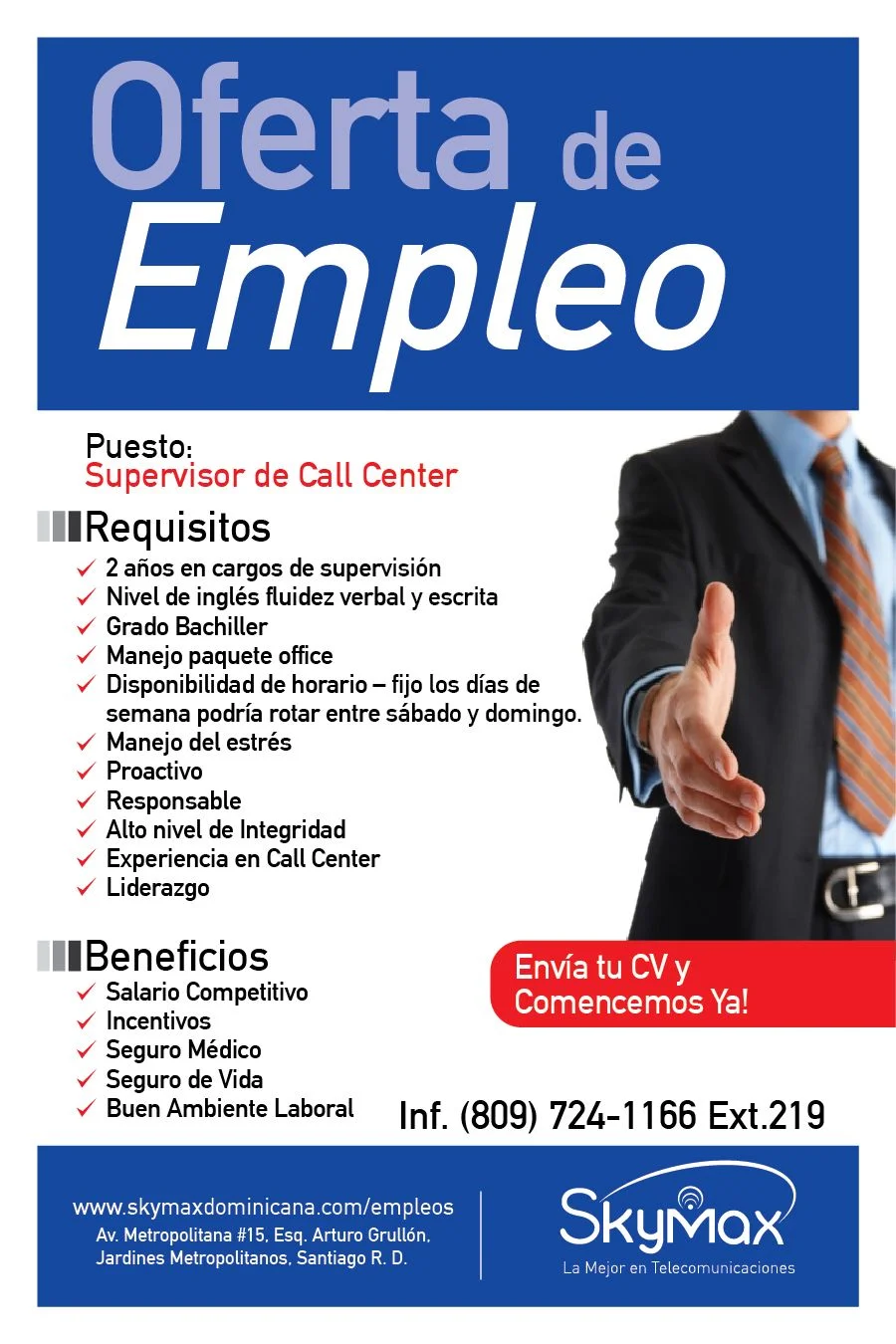
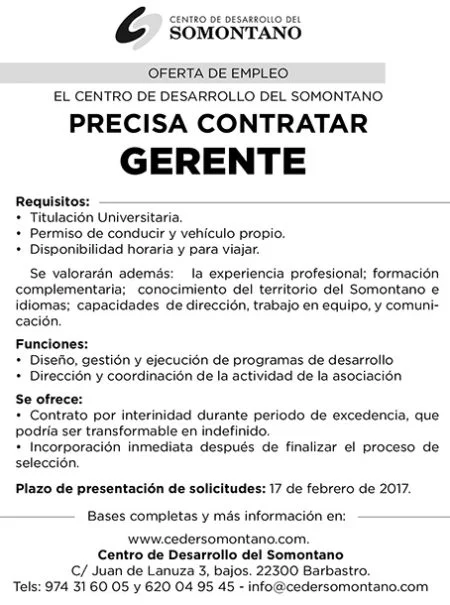
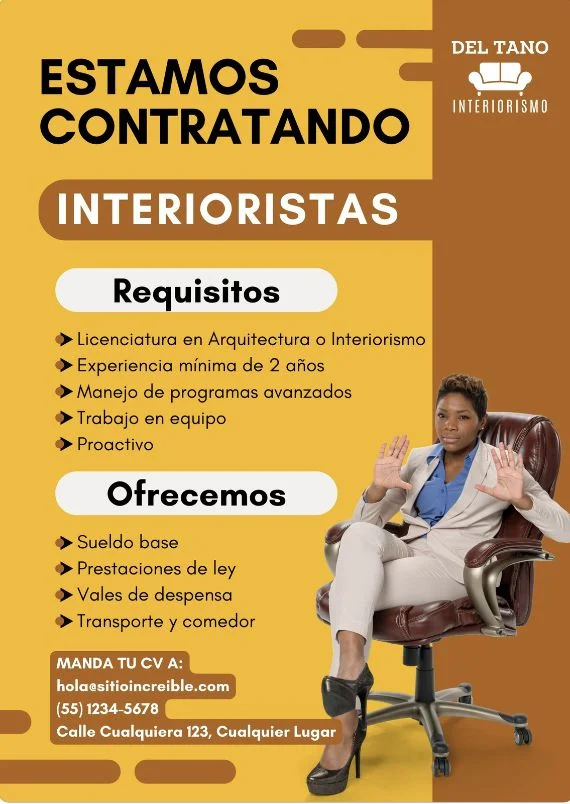
With the above points defined, we're ready to create our job posting. Remember, the goal is to attract talent to our company.
To create an appropriate job advertisement, we need to support it with the job description, and we must clearly and precisely outline the following aspects:
- Main duties.
- Profile requirements.
- Expected skills.
- Working conditions.
🧩 Phases of the recruitment process
We're now ready to begin recruiting staff. Below, we'll look at the steps we can take to ensure an orderly selection process.
Our recruitment process would unfold as follows. Let's look at the suggested steps:
-
Please note that the first step is when we receive the application from the department seeking to fill the vacancy. Don't forget to verify the technical details of the job offer with the department director or manager.
-
We plan the entire process: from the budget, recruitment sources, estimated processing time, and approval from the requesting department.
-
We publish the vacancy on our recruitment sources (web portals) and begin collecting CVs.
-
Initial screening: Manual or ATS-assisted. It's very likely we'll receive numerous applications, so we'll be forced to screen the CVs; this way, we narrow down the pool and make it easier for us to move on to the interview phase.
-
Now we make the initial contact, which can be by email or phone. The phone interview will facilitate the process of validating basic information and coordinating the main interview, which can be in person or online (the latter allows for faster scheduling and also saves the interviewee travel costs).
-
In-person/virtual interview: A key space for gaining a deep understanding of the candidate. Our focus will be on the candidate's experience and how they fit with the company. It's a good idea to have a list of questions to guide the interview and also have the candidate's CV on hand for notes.
Questions must be relevant and aligned with the profile.
At all times during the interview, we must be professional and convey a positive image of the company. Keep in mind that candidates are also analyzing us and the company, in order to understand the environment and work environment.
-
Technical assessments (if applicable): Excel, languages, specific tests, etc. These are perfect when we want to know the candidate's mastery of a tool they'll need in their future job. We can conduct these assessments with staff from the department that made the offer.
It's important to keep in mind that some exams can be expensive for the company, especially if they're managed by a third party. For this reason, it's important to budget for this in advance.
-
Candidate Report: We present detailed information to the requesting department.
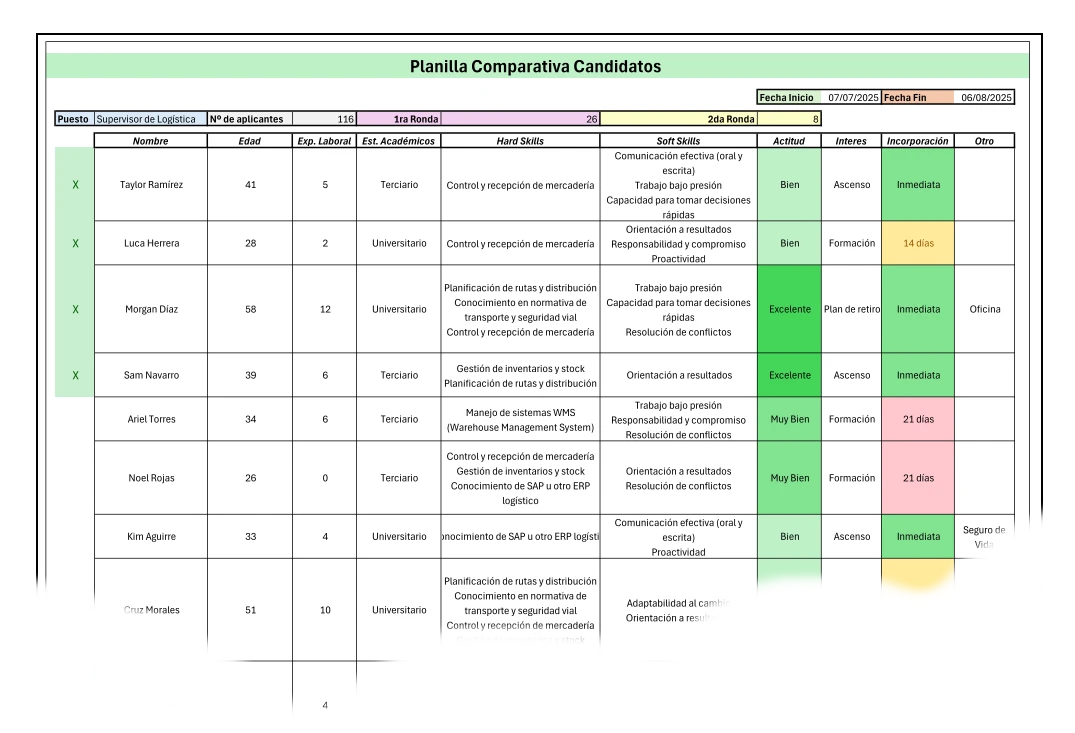
We can create the report according to our needs, but it's important to inform the requesting department about the aspects the candidates meet with respect to the position requirements. This way, we'll help them better understand the candidates and choose the one that best suits their work styles, or give them the opportunity to conduct their own interview and draw their own conclusions.
-
Decision and formal proposal: The direct supervisor determines who is chosen, and the proposal should be made to the candidate.
-
Confirmation and admission: If the candidate accepts, we must collect the required documentation for their file. We must determine the day and time of admission, the benefits they will receive, their work schedule, and the type of contract. It is essential that all working conditions be clearly explained.
Our recruitment process concludes once the employee joins the company. Although it may seem unusual, I'm referring to the moment the person joins the company on their first day. Keep in mind that if an exceptional event occurs (such as receiving a proposal from another company or ultimately deciding not to work with us), we will have to begin the process, which is why we must have backup candidates.
📄 Useful documents during the recruitment process
We create a folder in which we can include the following documents:
-
Application Form (MRF) => remember this is the form that started the selection process.
-
Job description => we can keep a copy of our manual.
-
Selected CVs => useful for creating a database of reserve candidates.
-
Interview sheet => like the previous point, it makes it easier to remember the candidates' profiles.
-
Job references => are optional, especially if we have requested them.
-
Offer letter => we can save it here or next to the new employee's legacy.
🔎 Monitoring and Reports
Analyzing our processes will allow us to understand and optimize them. They will allow us to know:
- Average process time.
- New hire performance.
- Most effective recruiting source.
- Types of hires.
- Talent retention.
I invite you to create your own. We'll explore these in the People Analytics module.
🧠 Proposed Activity
👉 Exercise 1: Strategy analysis
Decide whether internal or external recruitment is best for each case. Justify your answer.
- A growing tech company needs a Project Manager with startup experience.
- A family-owned factory needs a new production manager due to retirement.
- A marketing agency is launching an influencer division and needs a junior profile.
👉 Exercise 2: Recruitment plan
You're recruiting a HR Analyst. Design your recruitment workflow.
- Duties: Job posting, interviews, onboarding, admin support.
- Requirements: 1 year of experience, HR studies, Excel, communication skills.
- Competencies: Proactivity, empathy, organization.
- Schedule: Monday to Friday, 9 AM – 6 PM (on-site).